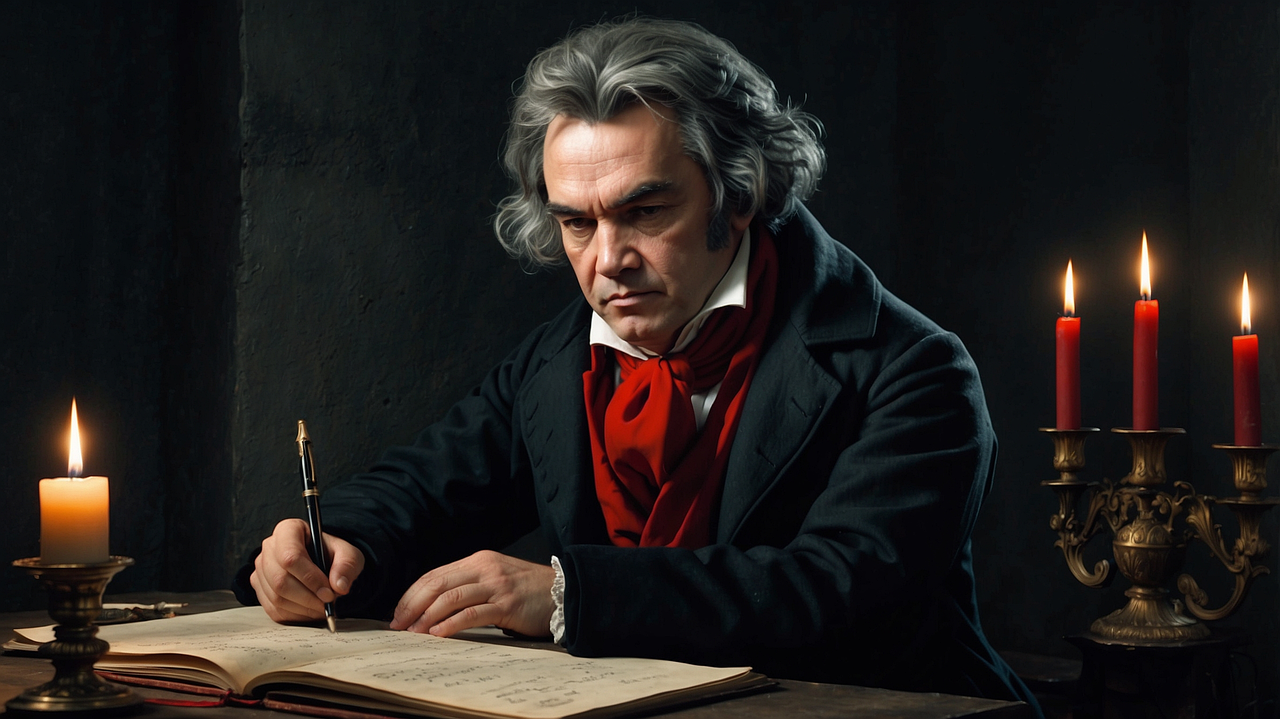
The Life Of One Of The Most Influential Classical Composers-Ludwig van Beethoven
Ludwig van Beethoven (1770–1827) is not just a composer we study in history books. He is a force of nature. A man whose life story feels almost unbelievable, yet deeply human. His music carries the sound of struggle, defiance, tenderness, rage, faith, and freedom—all woven into notes that continue to speak across centuries.
Beethoven believed in the power of reason, the power of music, and the unstoppable force of the human spirit.
“Music is a higher revelation than all wisdom and philosophy.”
“Freedom and progress are the goal of art.”
“Love freedom more than life!” — Ludwig van Beethoven
To understand Beethoven’s music, we must understand the life that shaped it—a life filled with suffering, hardship, isolation, and extraordinary inner strength.
A Difficult Beginning: Childhood in Bonn
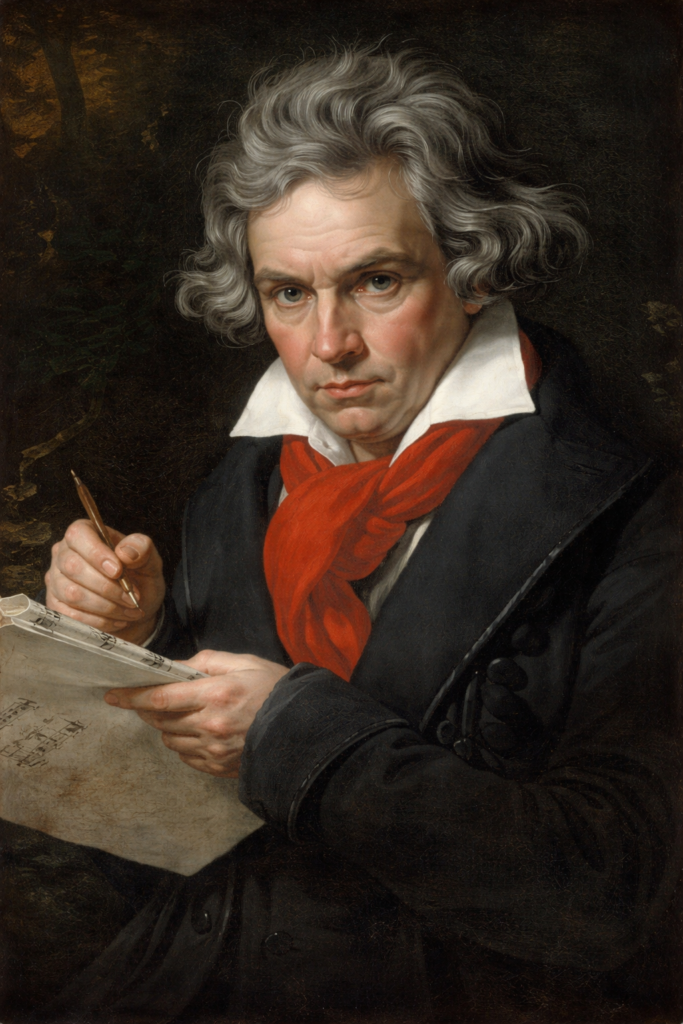
Beethoven was born in Bonn, Germany—then part of the Holy Roman Empire—into a family that was anything but stable. His father, Johann van Beethoven, was a court chorister for the Archbishop-Elector of Cologne. He was deeply unhappy in his marriage, struggled with alcoholism, and carried constant financial burdens.
From an early age, Johann saw Ludwig not as a child to nurture, but as a potential child prodigy—a way to rescue the family from poverty and failure.
Little Ludwig was extraordinarily drawn to music. He would sit for hours, forehead resting on the piano, listening intently to the sounds as if they were speaking directly to him. Music fascinated him long before it was forced upon him.
But once Johann decided to exploit his son’s talent, childhood ended.
Lessons were harsh, rushed, and cruel. Ludwig was barely able to reach the piano keys or pedals. His small hands stretched painfully toward bass and treble notes. Tears accompanied nearly every lesson. Mistakes were met with scolding—and often beatings.
The situation grew even darker when Tobias Pfeiffer, another heavy drinker, moved into the household to “teach” Ludwig piano. Night after night, the drunken men would drag the sleeping child out of bed, force him to the keyboard, and punish him for errors until morning.
Musical education became a nightmare.
His mother—gentle, kind, and loving—was powerless to stop it.
Beethoven also suffered from smallpox as a child, which left scars on his reddish skin and damaged his eyesight. He wore glasses for the rest of his life.
Despite all of this, something inside Ludwig refused to break.
Inherited Strength and Inner World
From his grandfather—an honorable and respected man—Beethoven inherited pride, strength of will, independence, and an indomitable spirit. From his mother, he inherited kindness, sensitivity, and purity of soul. From his father, only bitterness and painful memories.
As he grew, Beethoven became quiet, withdrawn, and deeply introspective. He often wandered alone, lost in thought, immersed in nature. Melancholy and deep contemplation became lifelong companions.
Nature was where he found peace. Silence was where his imagination grew.
Improvisation became his greatest joy. Even as a child, Beethoven possessed an unusually rich inner musical world—one that would later erupt with astonishing force.
Early Performances and the First Teacher Who Truly Saw Him
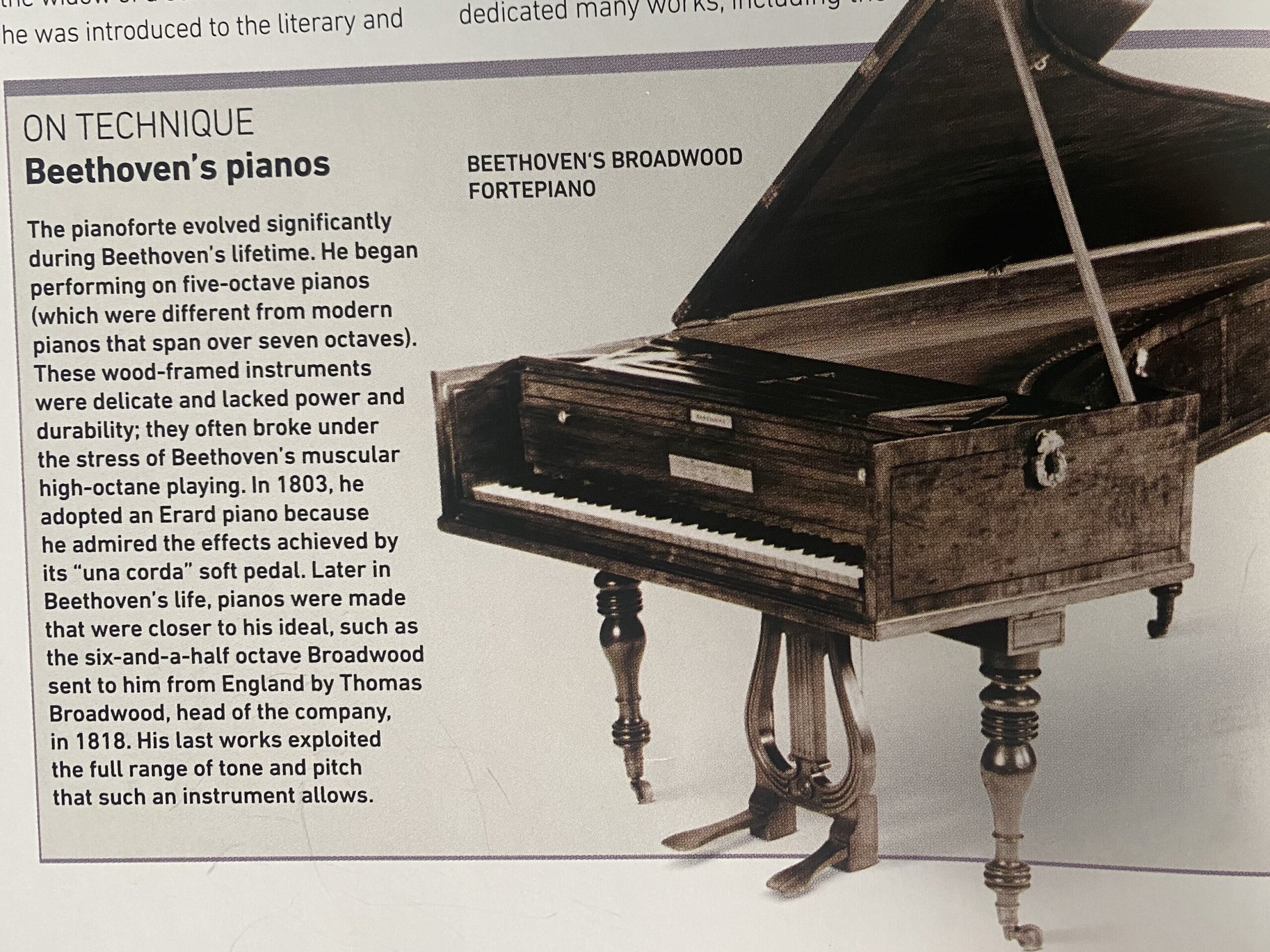
In 1778, eight-year-old Beethoven gave his first public piano concert in Cologne. To make the event more sensational, his father falsely advertised him as six years old. The outcome of that concert is largely unknown.
Three years later, during a visit to Rotterdam with his mother, Beethoven gave his final childhood solo concert.
Everything changed in 1779 when Christian Gottlieb Neefe arrived in Bonn as the musical director of the court theater.
Neefe was not just a music teacher—he was a thinker, writer, philosopher, and one of the most educated musicians of his time. He immediately recognized the genius in Beethoven.
For the first time, Ludwig was not beaten into music—he was guided.
Under Neefe’s mentorship, Beethoven:
- Became a virtuoso organist
- Studied harmony, counterpoint, and composition
- Learned the works of Bach, Handel, Gluck, Haydn, and Mozart
- Discovered literature, poetry, philosophy, and political thought
Neefe introduced him to Shakespeare, Homer (The Odyssey became Beethoven’s favorite book), Goethe, Schiller, Dante, Plato, Aristotle, and many others. He expanded Beethoven’s mind far beyond music.
Neefe didn’t just teach Beethoven notes.
He shaped his worldview—his love of freedom, reason, and human dignity.
At only 12 years old, Beethoven published his first work: Nine Variations for Piano on a March.
Vienna: Loss, Love, and Awakening
At 17, Beethoven traveled to Vienna to further develop his talent. It is believed he may have taken lessons from Wolfgang Amadeus Mozart. But tragedy struck—his mother died, and Beethoven returned to Bonn.
The following years were emotionally transformative. Living within cultured social circles, especially around Helene von Breuning, Beethoven was exposed to German Romanticism, literature, and refined artistic life.
He also experienced heartbreak for the first time, falling hopelessly in love with Breuning’s daughter, Lorchen.
“What is in my heart must come out—and so I write it down.”
In 1790, Joseph Haydn visited Bonn and arrangements were made for Beethoven to study with him in Vienna. Soon after, Beethoven’s father died, and war ravaged Bonn. His painful childhood was erased as his adult artistic life began to flourish.
Vienna Success and Musical Innovation
Though lessons with Haydn were brief, Beethoven quickly gained recognition as a brilliant piano virtuoso. Thanks to aristocratic patron Ferdinand von Waldstein, he was introduced to influential music lovers and patrons.
Living at Prince Karl Lichnowsky’s palace, Beethoven performed in salons and concerts, astonishing audiences with his power, originality, and improvisational genius.
His Opus 1 Piano Trios (1795) were a commercial success. Requests flooded in.
He composed:
- Piano sonatas (including Pathétique, 1799)
- String quartets (from 1798)
- His First Symphony, premiered in 1800
Though influenced by Haydn and Mozart, Beethoven was already seen as radically innovative.
Love, Dedications, and Unfulfilled Longing
Beethoven frequently fell in love—often with female students from aristocratic families, making marriage impossible.
- Moonlight Sonata was dedicated to Giulietta Guicciardi (1802)
- Für Elise was inspired by Therese Malfatti (1810)
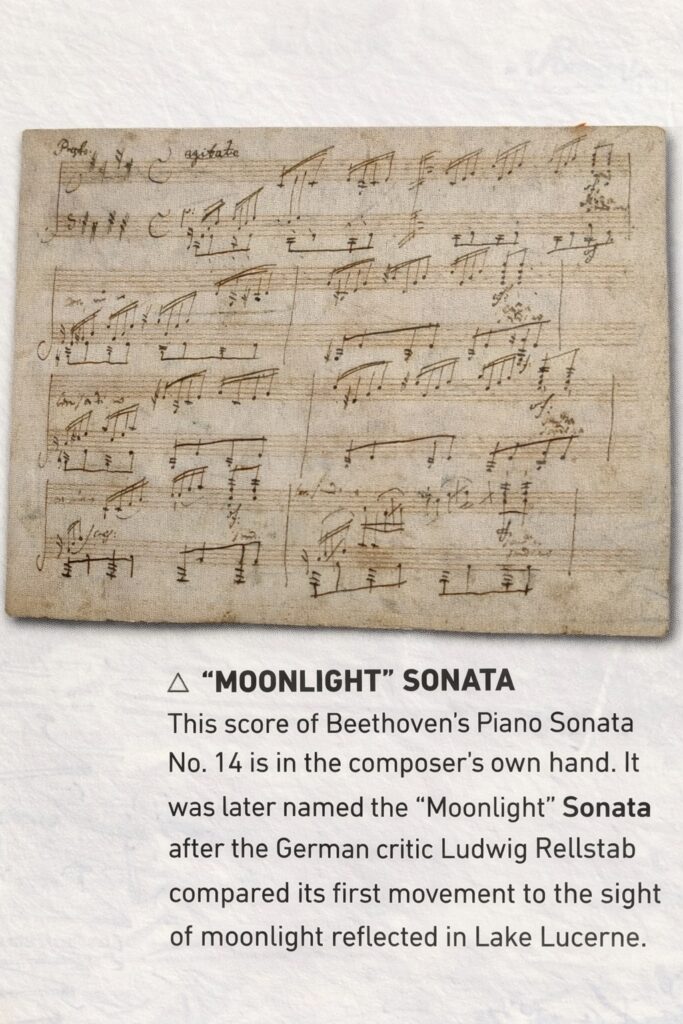
Each love ended in disappointment, yet each inspired immortal music.
The Peak of Creativity and the Birth of a New Era
Between 1802 and 1812, Beethoven entered his most explosive creative period.
Though he respected Classical forms, he transformed them from within.
His Third Symphony, “Eroica,” marked the beginning of a new musical era—longer, more dramatic, more emotionally intense than anything before.
Originally dedicated to Napoleon Bonaparte, Beethoven tore out the dedication when Napoleon crowned himself emperor—betraying revolutionary ideals Beethoven held sacred.
Beethoven saw himself not as a servant, but as an equal to nobility. In 1808, Viennese aristocrats granted him a lifetime annuity—unprecedented for a composer.
Deafness, Isolation, and Inner Strength
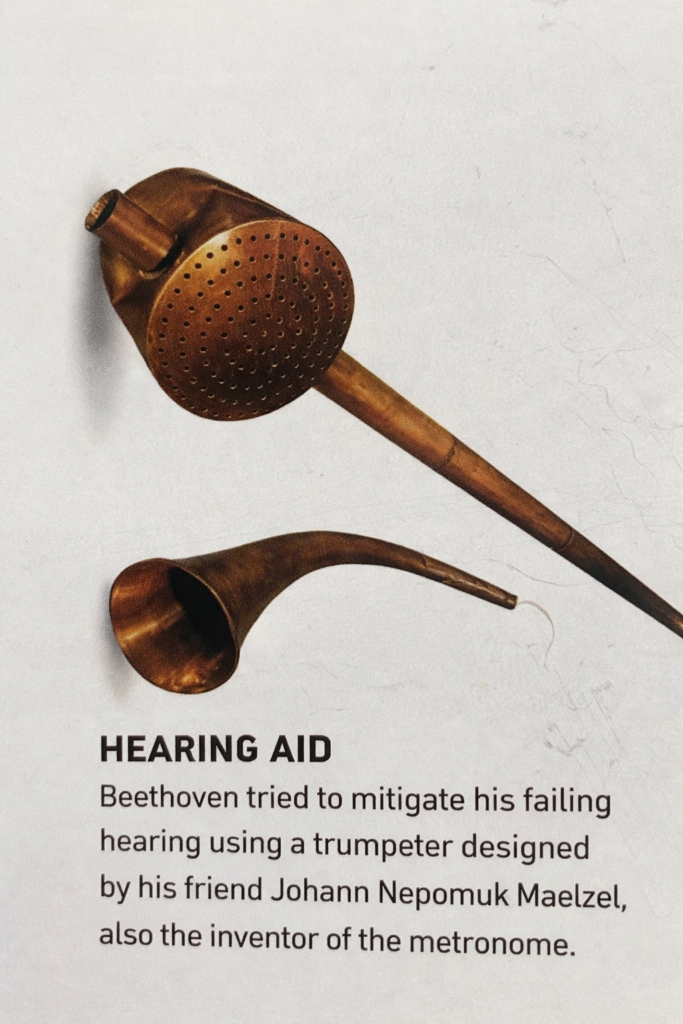
By 1802, Beethoven was losing his hearing. Ashamed and devastated, he withdrew from society.
By 1812, his hearing loss forced him to stop performing. By 1818, he lived in near total silence.
Misunderstood and isolated, he was described as rude, unkempt, and bad-tempered—but beneath that was a man enduring unbearable loss.
Personal tragedy followed. After his brother’s death, Beethoven fought for custody of his nephew Karl—a battle that deeply scarred them both.
Late Masterpieces: Genius Beyond Sound
In silence, Beethoven reached unimaginable heights.
- Hammerklavier Sonata (1818)
- Final three piano sonatas (1820–1822)
- Missa Solemnis (1823)
- Ninth Symphony (1824)
At the premiere of the Ninth Symphony, Beethoven could not hear the thunderous applause. Someone had to turn him around so he could see the audience weeping and cheering.
His late string quartets—written while terminally ill—were dismissed at the time, yet later recognized as prophetic masterpieces.
“I shall hear in heaven.” — Beethoven’s final words, March 1827
Death and Immortality
Beethoven died in Vienna in March 1827.
Over 20,000 people attended his funeral.
Franz Schubert and Carl Czerny served as pallbearers.
The man who once lived in isolation was finally understood.
Why Beethoven Still Matters
Beethoven changed music forever—not by avoiding suffering, but by transforming it.
His life tells us:
- Pain does not silence creativity
- Limitations do not define greatness
- Freedom of expression is worth everything
And when we sit at the piano—struggling, doubting, persevering—we are closer to Beethoven than we realize.
He didn’t write music to impress.
He wrote music to survive.
And in doing so, he gave the world its most powerful voice.