The Biggest Mistakes Adult Pianists Make When Practicing — And How to Avoid Them
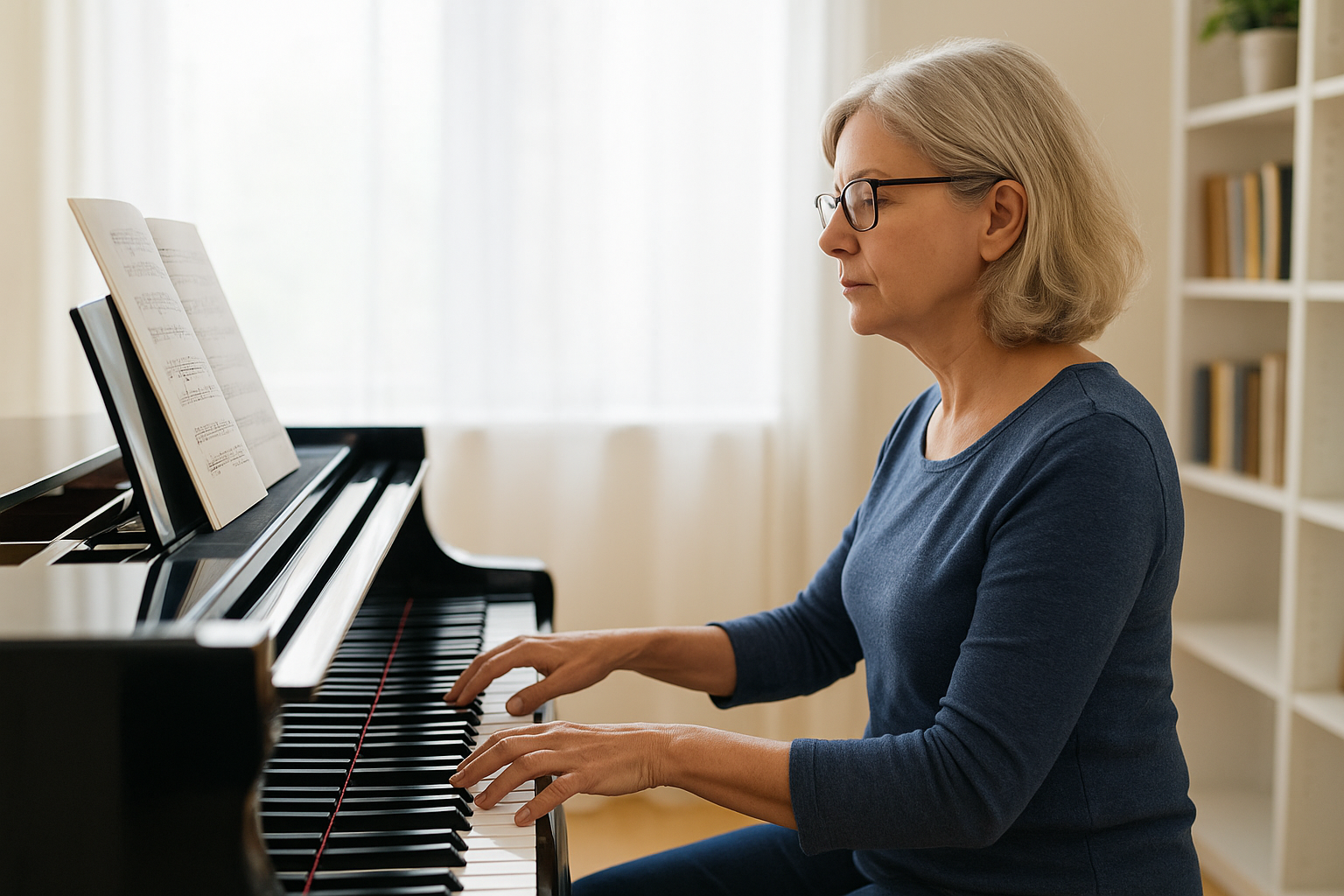
Whether you’re returning to the piano after years away or picking it up for the first time as an adult, you may think your biggest enemy is time or talent. Many adult pianists unwittingly sabotage their own progress through inefficient practice habits and common mistakes. In this post, we’ll expose the top pitfalls adult pianists fall into — and show you how to avoid them so your piano practice is smarter, more fun, and more productive.
Why adult piano practice is different
Adult learners often juggle a job, family, and other responsibilities, so practice time is precious. Also, adult brains and bodies are less “plastic” in certain ways compared to children. That means every moment at the keyboard should count. Rather than mindlessly repeating pieces, you want deliberate practice — focused, structured, and goal-driven. The Cross-Eyed Pianist+2musiah.com+2
Mistake #1: Practicing at the wrong speed (too fast or too slow)
One of the most common mistakes students make is to practice without intention and thought. They frequently play too fast or slow through the passages they practice and then wonder why bad habits are created.
- If you play too quickly, you run the risk of using the wrong fingerings and end up messing up the whole piece.
- If you play too slowly even when you know a piece quiet well, you can get stuck doing the same thing over and over and not making any progress.
How to fix it:
Practice slowly with control, until you feel confident with the fingers, melody, and phrasing. Then increase the tempo gradually which will allow your hands to move faster until you reach the desired tempo. Tip: use a metronome. In every piece you’ll have passages that are more challenging than others, so practice those tricky passages slower until you gain confidence.
Mistake #2: Not listening (or being present)
Many pianists (including me) have a lot on our mind- work, relationships, kids, and we often practice on auto pilot without even listening to what we’re playing. I catch myself getting to the end of a piece, and ask myself- “how am I already done with the piece? I can’t remember a single note I just played?” How many of you are guilty of the same? Then when we play it again and are focused, we end up making too many mistakes, and realize we still have a lot of practice to be done.
How to fix it:
- Close your eyes and listen to the piece performed by someone else you respect. Ask yourself, “What is the composer trying to tell me through his piece? How do I want to make my audience feel when I perform it?
- Record yourself. By doing so you can hear the passages that are challenging and work on them.
- If you start to get destructed and think of something else, STOP. Walk away for a little bit and write down all that’s on your mind on a piece of paper (brain dumb). Then come back and continue.
- Listen to yourself play and pay attention on where you’re making the most mistakes, then go back and break those passages and play them slower.
Mistake #3: Ignoring technique and posture
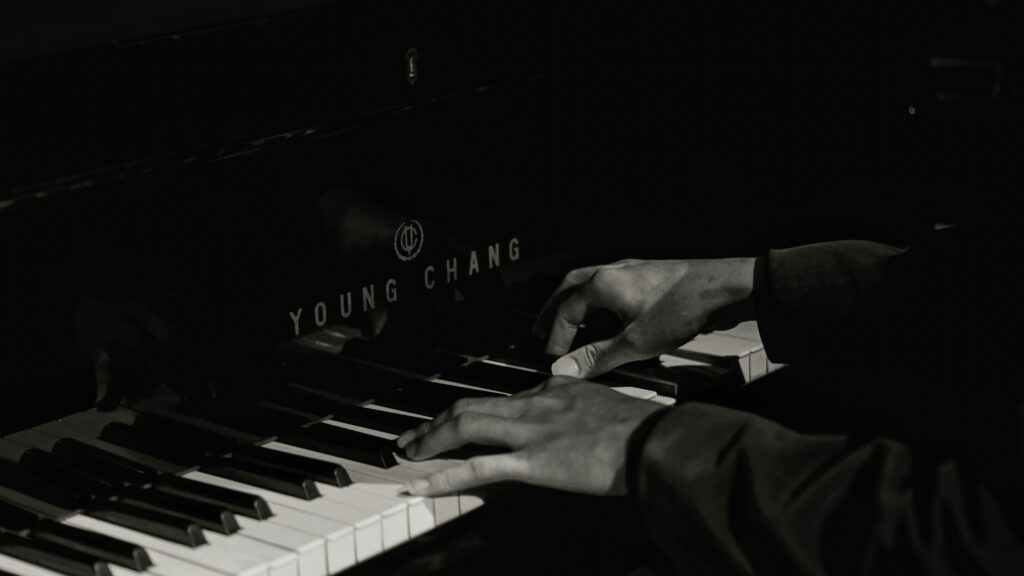
Technique is often overlooked by adult players, especially self-taught ones. If you have poor posture, your fingers are flat, you tense your wrists, and don’t move your hands enough, you can hurt your hands and play with pain. This is never fun, because you end up quitting sooner and it may take you longer to learn the piece you’ve selected.
What to do instead:
- When you play passages that require stretching your fingers too far, quickly recover by bringing your fingers closer together. This will take the pressure off of your fingers.
- Round your hand as if you’re holding an apple. Lift your wrist and bring it back down.
- Stretch and massage your fingers and arms.
- Don’t slouch and sit on the bench comfortably.
- Play scales, arpeggios, chords, octaves.
- Learn from injury-preventive approaches like Barbara Lister-Sink’s methods. Wikipedia
Mistake #4: Overcomplicating your practice (lack of clarity and focus)
Keep it simple. When you don’t have much time to practice, create short sessions where you work on one thing at a time. If you overcomplicate your practice sessions, you’ll get discouraged. Adult students often overestimate their capabilities (leading to frustration) or play pieces far too easy (leading to boredom).
Signs of overcomplication:
- Trying to play both hands right away.
- Playing too many pieces at the same time.
- Setting goals, you can’t achieve.
- Picking pieces that you’re not ready to play yet.
- Choose repertoire just above your comfort zone.
- Don’t jump to major works prematurely; build fundamentals first.
How to fix it:
- Start with the right hand and learn the first page. Then learn the left hand. Once you feel comfortable playing the hands separately, combine both hands.
- Choose one or two pieces at a time.
- Set realistic goals.
- Pick easier pieces that you can learn in the beginning, which will give you more confidence that you’re reaching your goal.
Mistake #5: Waiting for inspiration or motivation
Many adult pianists only practice when they “feel like it.” That mindset leads to inconsistency. Progress demands discipline more than bursts of inspiration.
How to fix it:
- Set a daily or near-daily habit, even if just 10 minutes.
- Use a practice log or schedule.
- Frame practice as a commitment, not a mood.
- If you really feel blocked, do something mechanical (scales, hands-separate) rather than skipping entirely.
Mistake #6: Not isolating trouble spots / avoiding mistakes
It’s easy to skip over the hard parts in a song you’re learning, but this doesn’t solve the problem.
How to fix it:
- When an error happens, stop immediately. Go back and retrace the passage.
- Use chunking: isolate 2–8 bar segments and master them before reintegrating.
- Play small loops correctly 5–10 times in a row before continuing.
- Always check what caused the error: wrong fingering? tension? misreading?
Mistake #7: Neglecting musicality, expression, dynamics, articulation
Many adult pianists think of their practice routine as mechanical. “Playing with my heart and feelings comes next.” But the truth it, it happens simultaneously. If you’re learning a piece for the first time, you should be practicing as already knowing what the composer was feeling at that moment.
How to fix it:
- Add articulations, dynamics, phrasing from the start (even in slow practice).
- Mark expressive intent in your score.
- Play small segments as “musically” as possible before increasing speed.
Bonus Mistake: Neglecting music theory and deeper understanding
Lots of adult learners think theory is optional, but skipping it is a missed opportunity. Understanding harmony, structure, form, and analysis empowers you to learn faster and make expressive decisions.
How to fix it:
- Study theory aligned with your repertoire (chord progressions, key structure).
- Annotate the score, mark cadences, phrase divisions, modulations.
- Let theory inform your practice rather than staying separate.
Putting it all together: A sample 30-minute adult piano practice routine
Here’s a suggested structure you can adapt:
| Segment | Focus | Duration |
| Warm-up / technique | Scales, arpeggios, finger independence | 5 minutes |
| Hands-separate work | Isolate difficult hand / weak hand passages | 5 minutes |
| Focused trouble spot | 1–2 small bars or transitions | 5–7 minutes |
| Musical shaping | Add expression, dynamics, phrasing | 5 minutes |
| Integration / full run | Play through full piece (or section) | 5 minutes |
| Cool-down & reflection | Listen, note next goals, record short clip | 2–3 minutes |
Even a short session done with intent, listening, and structured goals trumps a long but scattered practice.
Closing thoughts & mindset advice
- Progress is rarely linear. Some days you’ll feel you regress. That’s normal.
- Be patient. Habits take time to form.
- Use a journal or practice tracker so you can see your growth over weeks/months.
- Periodically record yourself or perform informally to get perspective.
- Consider working with a teacher or coach, even intermittently, to receive feedback on technique, posture, and direction.
With mindful awareness and avoidance of these mistakes, adult pianists can accelerate their growth, deepen their musicality, and enjoy the journey more.